External audit for SMEs: Why It Matters in 2025
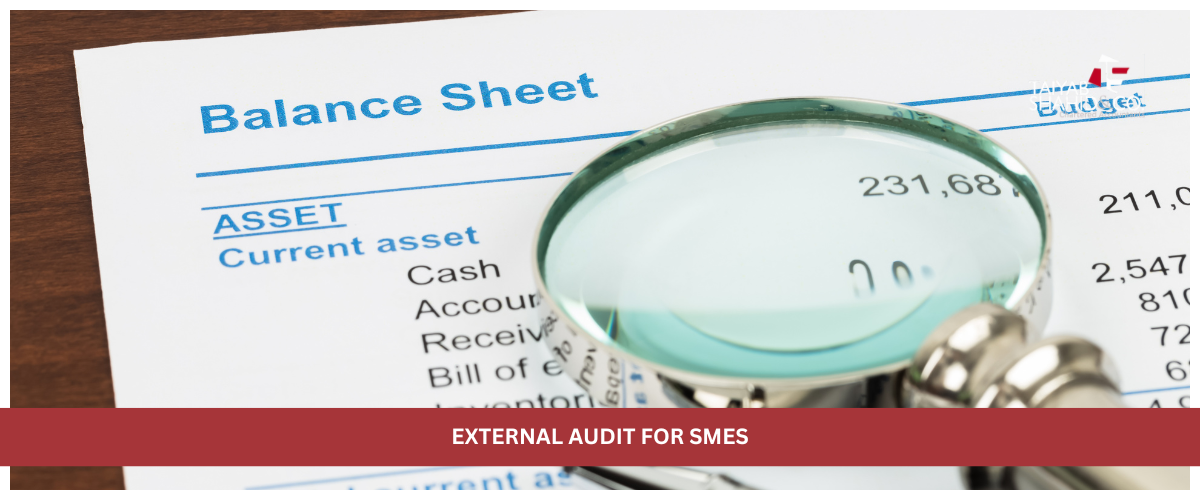
External audit for SMEs is more than a compliance task, it is an independent opinion that strengthens credibility, improves financial discipline, and helps unlock funding. For growing companies in Pakistan, an external audit builds investor trust and ensures that statements reflect a true and fair view.
At Taiyab Shahid & Co. (TSCO), our ICAP-registered auditors combine international standards with local regulatory expertise to deliver value-focused audits for startups, family businesses, and mid-market enterprises.
external audit for SMEs: 9 Benefits You Can Measure
- Credibility with lenders and investors: Audited numbers accelerate loan approvals and due diligence.
- Regulatory compliance: Meet audit requirements under the Companies Act and SECP filings.
- Fraud deterrence: Independent reviews reduce the opportunity and incentive for misstatements.
- Better decisions: Reliable statements support budgeting, pricing, and growth planning.
- Process improvement: Management letters highlight control gaps and efficiency opportunities.
- Tax confidence: Reconciled ledgers and evidence support positions taken in FBR filings.
- Supplier & customer trust: Verified financial strength improves negotiating power.
- Valuation readiness: Audited results simplify equity deals, M&A, and ESOPs.
- International expansion: Compliance with ISA/IFRS opens doors to cross-border partners.
“An audit is not a cost—it’s a confidence engine for your stakeholders.”
What an External Audit Includes
An external audit tests whether financial statements are prepared, in all material respects, according to applicable frameworks such as IFRS. It typically covers:
- Risk assessment and materiality scoping
- Testing of revenue, expenses, payroll, taxes, and provisions
- Confirmation of balances with banks, customers, and suppliers
- Observation of inventory counts and fixed-asset controls
- Analytical procedures and variance analysis
- Management representations and final reporting
SME Pain Points (and How TSCO Solves Them)
Limited resources, missing documents, and inconsistent reconciliations can delay audits. TSCO addresses these challenges through practical tools and coaching:
- Monthly close checklist: Bank and cash reconciliations, receivable ageing, inventory controls.
- Digital document vault: Secure storage of invoices, contracts, challans, and approvals.
- Withholding tracker: Ensuring timely and accurate tax deductions and statements.
- ERP/Cloud setup: Our IT consulting team integrates accounting systems for audit-ready data.
Our Audit Approach
We apply International Standards on Auditing (ISA) with a risk-based methodology so that procedures target the areas that matter most. The result: efficient fieldwork, clear communication, and reports that stakeholders understand.
TSCO’s Four-Step Process
- Planning: Understand the business model, control environment, and industry risks.
- Testing: Perform walkthroughs, sampling, confirmations, and analytics.
- Reporting: Issue an audit opinion and a management letter with prioritized actions.
- Post-audit support: Assist with year-end filings, board presentations, and lender queries.
Regulatory Context in Pakistan
External audits for companies are mandated under the SECP framework and conducted by auditors registered with the Institute of Chartered Accountants of Pakistan (ICAP). Certain thresholds also trigger additional reporting, such as internal control assessments or tax reconciliations with the FBR. SMEs should plan their audit timetable early to avoid last-minute pressure.
How to Prepare for a Smooth Audit
- Create a shared audit folder with trial balance, ledgers, bank statements, payroll, contracts, and tax filings.
- Reconcile key accounts and clear suspense items before fieldwork begins.
- Document revenue recognition, related-party transactions, and inventory valuation methods.
- Nominate a coordinator who can quickly provide evidence and schedule walkthroughs.
Beyond Compliance: Insights That Drive Growth
Great audits produce actionable insights, not just a signature. TSCO’s management letter includes practical recommendations—control improvements, cost leak fixes, and KPI dashboards—that help owners and boards steer the business with clarity.
When Your SME Should Start Auditing
If you plan to seek bank financing, add investors, or bid on large contracts, begin audited reporting at least one year in advance. Consistent, audited history is far more persuasive than last-minute statements.
Conclusion
In 2025, external audit for SMEs is essential to build credibility, secure funding, and operate with discipline. Partnering with Taiyab Shahid & Co. gives you experienced auditors, clear communication, and insights that strengthen your business. Contact TSCO to schedule your audit or call +92 42 35875840.
Related Articles
- How to Reduce Corporate Tax Legally in Pakistan
- Why Your Business Needs a Virtual CFO
- Accounting Automation – The Future of Financial Management